⸻ Vancouver, BC
Valentin Prugnaud, Senior product engineer · TypeScript
14+ years shipping frontend, backend, and AI-powered products. I co-founded a Techstars-backed SaaS as CTO, built dev tooling for 50+ teams at TELUS, and ship open-source devtools.
I take limited consulting on developer tools, delivery systems, and AI-assisted workflows.
Senior product engineer with 14+ years shipping frontend, backend, and AI-powered products. Building developer tools and taking limited consulting on scoped product and platform work.
How I got here
My first real job as an engineer was building marketing websites and newsletters at Backflip in Paris. Within a year I was the only engineer on a B2B ecommerce system a manufacturing company ran on: UI, backend, and the ops when checkout or inventory broke. The problems rarely arrived fully specified, and there was no one to hand them to. I found out I liked that. Owning the product end to end while the problem is still fuzzy became the thing I looked for in everything after.
It's why I built Liftmap at WiderFunnel, a CRO SaaS, when implementation alone stopped being enough. It's why I co-founded Speakbox (Techstars W21) as CTO while still on TELUS's API team: two customer-facing apps, the backend on NestJS and GraphQL, and every architecture decision behind them. And it's why I ended up in developer experience at TELUS: the fuzziest problems weren't in the product anymore, they were in how engineers shipped it. Four years there. Developer-facing APIs and self-service tooling used by 50+ teams. A Vercel-like deploy platform on Cloud Run took time-to-production from weeks to under a day. An AI incident workflow I founded produced 500+ reports in its first two weeks. Different products, same job: find the fuzzy problem, own it until it isn't.
That shape still holds: high-ownership product and platform work, preferably on distributed, async teams. I am most effective when I can move between product, frontend, backend, and delivery: talk to users, narrow the scope, write the code, inspect production, and leave the team with a path they can keep using.
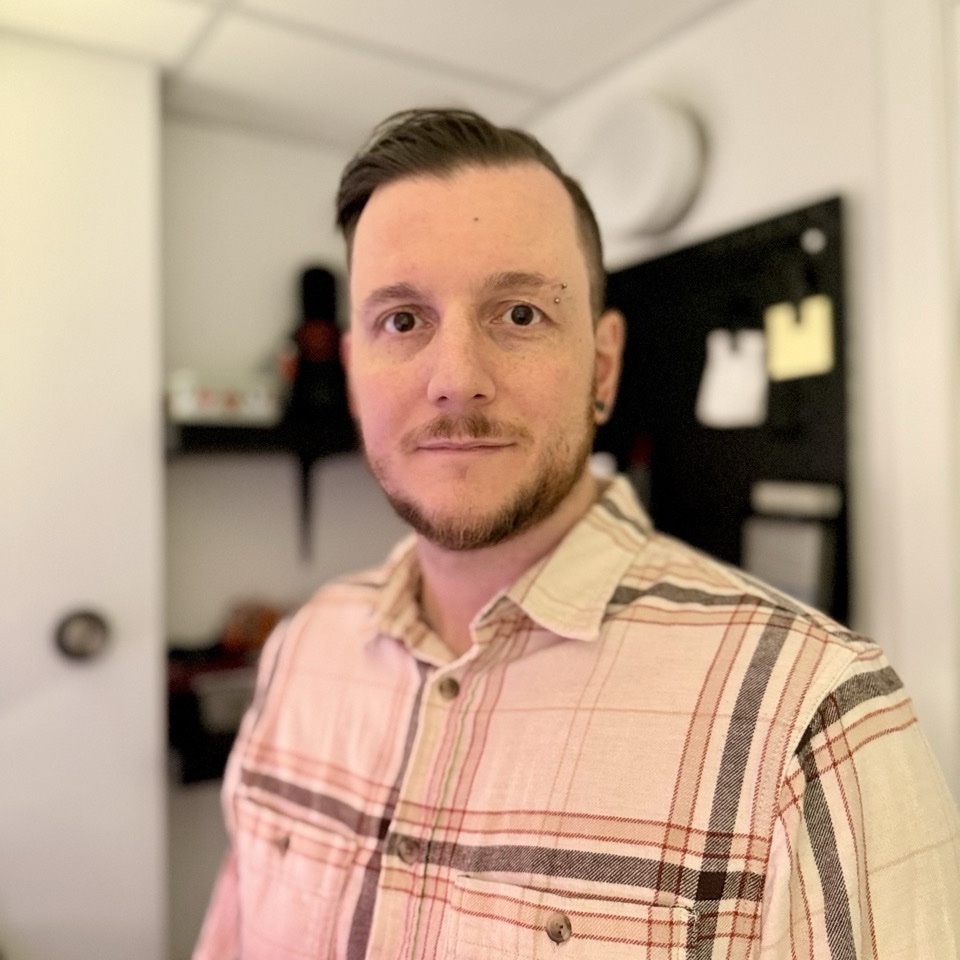
Vancouver, BC
What I'm Building
 developer tool
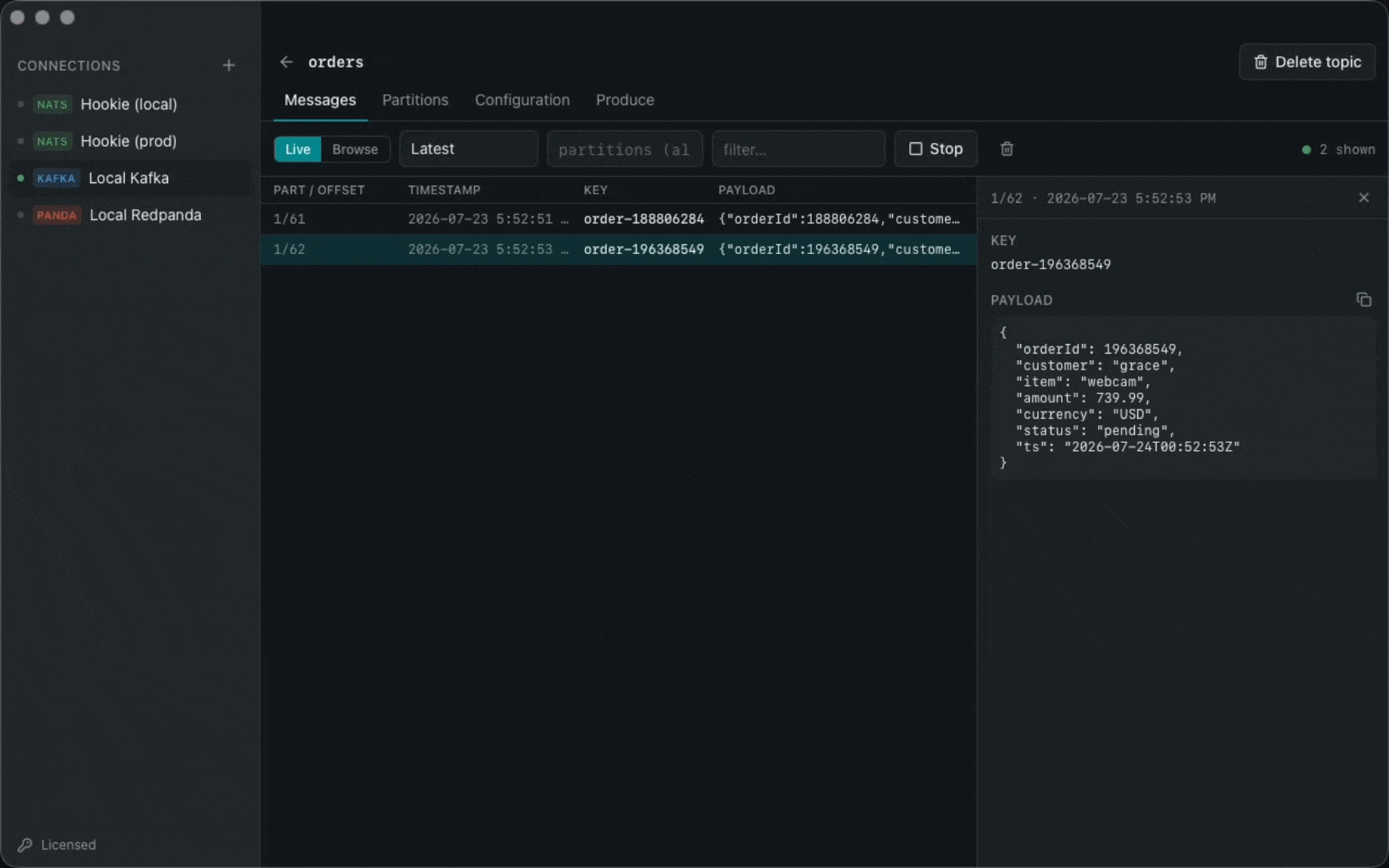
Streambench
Tauri-based macOS client for Kafka, Redpanda, and NATS JetStream. Browse topics, tail messages, inspect lag, and produce from one desktop app.
 developer tool
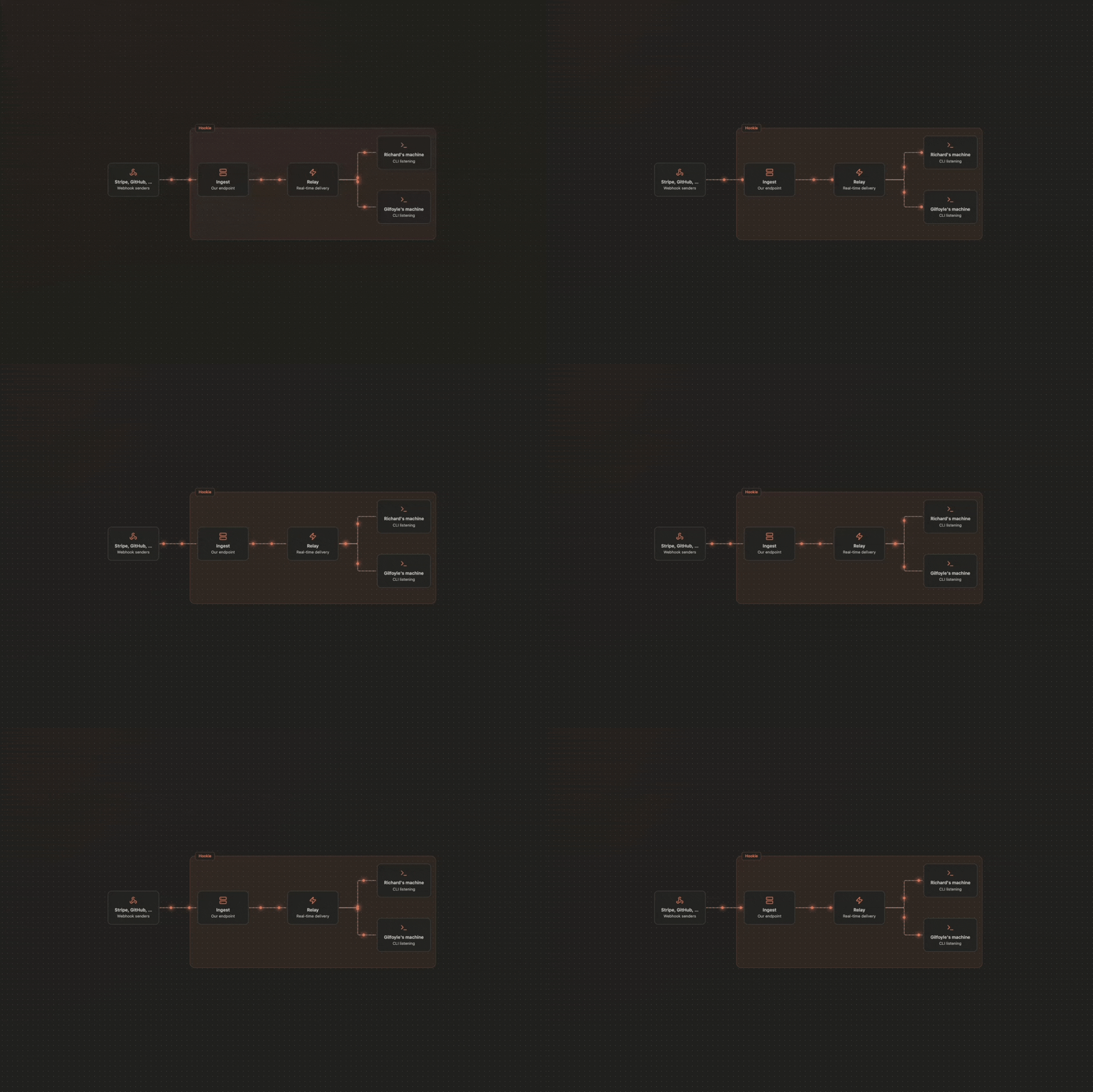
Hookie
Open-source webhook development tool. Receive, inspect, and relay webhook events locally. Go, Next.js, NATS JetStream, gRPC.
- Developer tools
- gRPC
- Webhooks
 open-source
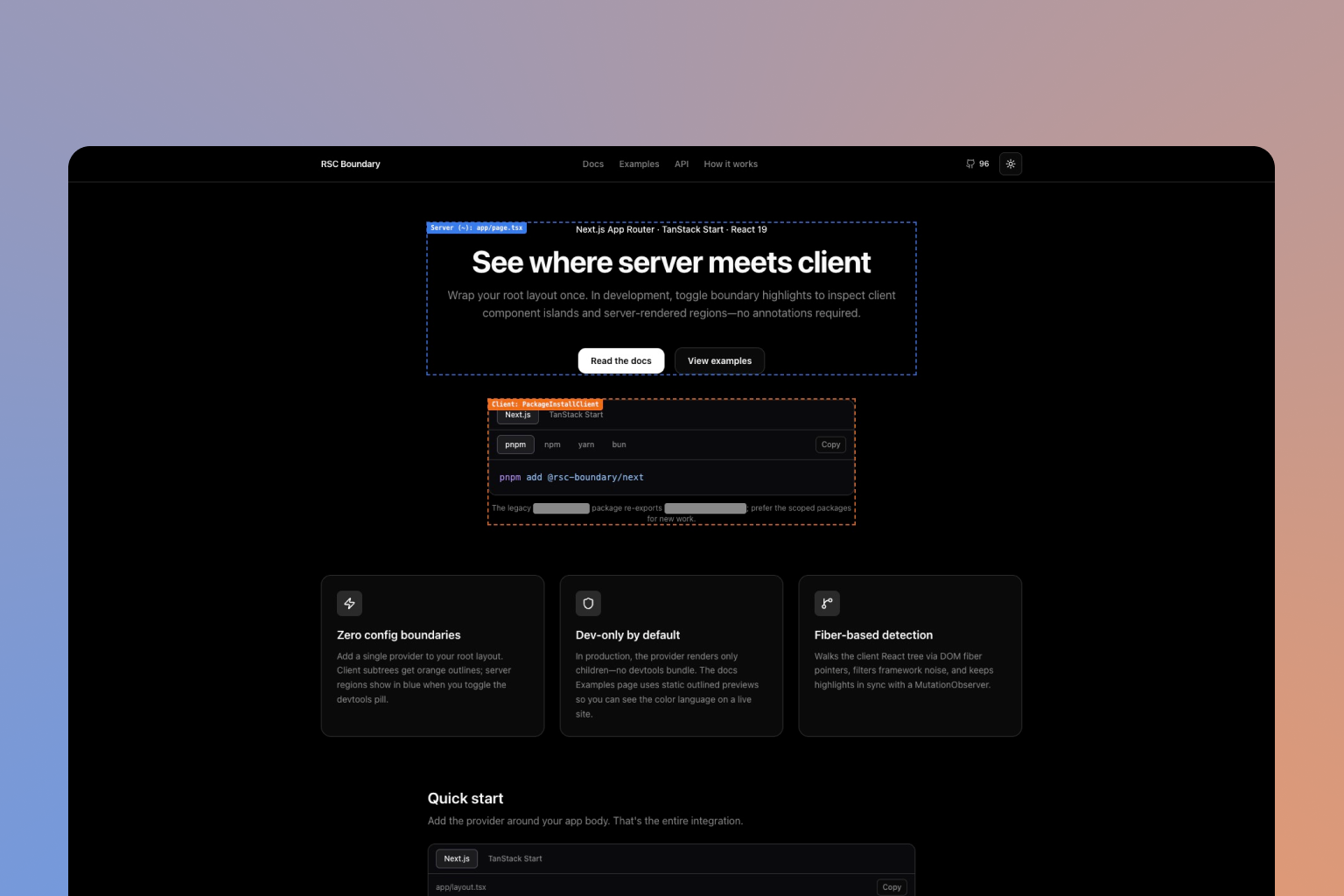
RSC Boundary
Open-source devtool for Next.js and TanStack Start. Visualize React Server vs Client Component boundaries in the App Router. Zero production cost; agent skill for Cursor and Claude Code.
- Next.js
- TanStack Start
- React
Recent Posts
Consumer AI Apps Need Browser-style Profiles
Consumer AI apps treat you as one person with one grant per connector. I want built-in profiles, like a browser: each profile owns its connectors, chats, memories, and instructions, and a small global layer holds the things that are actually me.
- Agents
- Developer Tools
- Product Engineering
- MCP
A Release Pipeline With No Long-lived Tokens and No Silent Tampering
How I secured the Hookie CLI release pipeline with OIDC trusted publishing, staged npm releases behind 2FA, and immutable GitHub release assets.
- Supply Chain Security
- npm
- GitHub Actions
- CI/CD
A CLI Should Do More Than Wrap Your API
Notes from building Hookie: API-shaped commands are useful, but AI-native dev workflows need CLI commands that own the whole task.
- Developer Tools
- CLI
- Product Engineering
Shipping Code Faster Is Not the Bottleneck
Agent-loop discourse sells parallel code output. For solo builders the binding constraint is usually demand, and a useful receipt needs cost, artifact, and a user-visible before/after.
- AI
- Agentic Programming
- Productivity
- Thinking
Hundred Miles · Miles Don't Matter
Two albums on the streaming platforms. I write and record when the IDE is closed.
Known as "Raposa de Fogo" (Firefox)
Training the Afro-Brazilian art of movement, music, and a fair bit of falling over.